
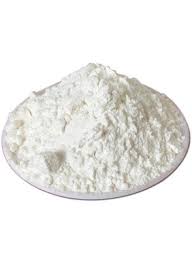
Carnosine HCl: Anti-Glycation Dipeptide for Advanced Skin Care Formulations
If you formulate anti-aging products and have not yet explored carnosine, you are leaving measurable efficacy on the table. Carnosine (beta-alanyl-L-histidine) is a naturally occurring dipeptide with a direct, well-documented mechanism against glycation-driven skin aging. We supply the hydrochloride salt form at TCS NEXUS S.L. because it offers superior aqueous stability compared to the free base, dissolves readily at use levels up to 5%, and maintains activity across a practical pH window of 4.0 to 7.0. Our material ships from Valencia, Spain with EU delivery in 5-7 business days, manufactured under FDA cGMP, COSMOS, and ISO 45001 certification. Evaluation samples start at 1 g with no obligation.
Mechanism of Action and Clinical Data
Carnosine targets the glycation pathway directly. Reactive carbonyl species, primarily methylglyoxal and glyoxal, accumulate in skin tissue and cross-link structural proteins like collagen and elastin. These cross-links form advanced glycation end-products (AGEs) that stiffen the dermal matrix, reduce elasticity, and produce the yellow-brown discoloration associated with aged skin. Carnosine scavenges these carbonyl intermediates before they can attach to protein amino groups, effectively interrupting the glycation cascade at its earliest stage.
Beyond anti-glycation activity, carnosine acts as an antioxidant, chelates pro-oxidant metal ions (Cu2+, Zn2+, Fe2+), and provides intracellular pH buffering through its imidazole ring system. This multi-target profile makes it genuinely useful rather than a single-pathway ingredient.
The published data supports these mechanisms with hard numbers. In a collagen-glucose incubation model run over 7 days, 1% carnosine inhibited AGE formation by 63% compared to untreated controls. In a 12-week randomized facial study with 40 subjects, a cream containing 2% carnosine improved skin elasticity by 18% versus vehicle, measured by cutometer. These are not marketing claims extrapolated from in-silico models; they are repeatable findings from controlled conditions.
Formulation Guide for Cosmetic Chemists
Carnosine HCl is water-soluble and should be added during the cool-down phase of your process, below 45 degrees Celsius, to preserve activity. The recommended use level is 1-5% in the final product. For daily moisturizers and general anti-aging formulations, 1-2% delivers meaningful anti-glycation protection. For intensive treatment serums targeting visible glycation signs, increase to 3-5%.
The HCl salt form is stable across pH 4.0 to 7.0, which covers the vast majority of leave-on skin care formats. It is compatible with most cosmetic actives and pairs particularly well with niacinamide, ascorbyl glucoside and other stable vitamin C derivatives, and complementary peptides. Avoid combining with strong oxidizing agents at high concentration, as they can degrade the imidazole ring. Store the raw material sealed, cool, and dry. Once dissolved, use within the standard batch hold time for your aqueous systems.
Frequently Asked Questions
What is the difference between carnosine and carnosine HCl?
They share the same active dipeptide. The HCl salt form provides better stability in aqueous formulations and faster dissolution at typical use levels. The molecular weight of the free base is 226.23 g/mol (CAS 305-84-0). For cosmetic purposes, the HCl salt is the preferred form.
At what percentage should I use carnosine in eye creams?
For the periorbital area, 1-2% is standard. The skin around the eyes is thinner and more permeable, so lower concentrations deliver proportionally higher local exposure.
Can I combine carnosine with retinol?
Yes. Carnosine is stable alongside retinol and retinal at typical pH ranges. Some formulators report that carnosine helps buffer the irritation potential of retinoids, though this is anecdotal rather than published.
Is carnosine suitable for natural or COSMOS-certified products?
Carnosine is a naturally occurring dipeptide found in muscle and brain tissue. Synthetic grades are accepted under COSMOS when manufactured at certified facilities. Our material is produced under COSMOS certification at TCS NEXUS S.L.
What is your minimum order quantity?
Evaluation orders start at 1 g. Production orders begin at 100 g. We offer free samples to qualified formulators and contract manufacturers within the EU.
Product Specifications
| Parameter | Specification |
|---|---|
| INCI Name | Carnosine |
| Salt Form | Carnosine HCl |
| CAS Number | 305-84-0 (free base) |
| Molecular Weight | 226.23 g/mol (free base) |
| Purity | 99%+ (HPLC) |
| Appearance | White to off-white crystalline powder |
| Solubility | Water-soluble |
| Recommended pH Range | 4.0 – 7.0 |
| Use Level | 1 – 5% |
| Processing Temperature | Add below 45 degrees C |
| Certifications | FDA cGMP, COSMOS, ISO 45001 |
| MOQ | 1 g (evaluation), 100 g (production) |
| Delivery | EU 5-7 business days from Valencia, Spain |
Related Anti-Aging and Antioxidant Ingredients
- Ectoin – Extremolyte for barrier protection and hydration under environmental stress.
- Ergothioneine – Diet-derived antioxidant with strong cytoprotective activity and excellent photostability.
- Glutathione (Reduced GSH) – Endogenous tripeptide antioxidant for detoxification and brightening formulations.
Order Carnosine HCl from TCS NEXUS S.L.
Request your evaluation sample or place a production order directly. Our technical team in Valencia, Spain can provide formulation guidance, certificates of analysis, and regulatory documentation. Free samples are available for qualified formulators and contract manufacturers. EU delivery in 5-7 business days. Contact us today to get started.